Canada Lynx Brothers Go On Exhibit Soon at Northwest Trek Wildlife Park
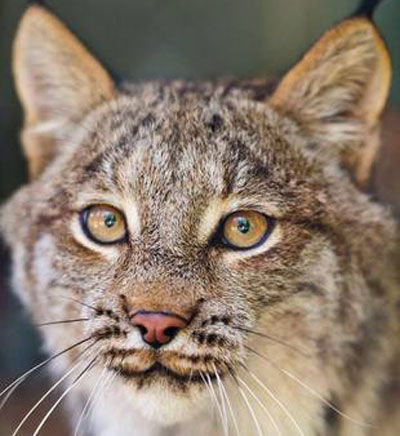
Sherman and Omak were named by Northwest Trek staff for locales where lynx are found in Washington.
Sherman is for Sherman pass, mountain peak and three lynx management zones, Omak for the Okanogan County town, which is close to wildlife refuge and viewing areas that are part of the lynx range in Washington.
They were born in May at the Cheyenne Mountain Zoo in Colorado Springs and are part of the Species Survival Plan® for Canada lynx. Their species is threatened in Washington; there are only about 100 of them in the state.
The 14-month-old cats arrived at the park in mid-June but were kept quarantined until a veterinarian could fully examine them and give them four vaccinations in preparation for their upcoming public debut. Northwest Trek veterinarian Dr. Allison Case performed routine physicals on the pair this week and declared them to be in great health. They will be two of three Canada lynx that will rotate on and off public exhibit.
Visitors will be able to see them very soon, and their public zoo will be announced on Northwest Trek’s Facebook page: Facebook.com/NWtrek.
About Canada lynx:
- The large ear tufts on lynx help it detect sound vibrations.
- The whiskers on lynx, like all cats, are used to “feel” and may help the animal determine whether its body will pass through an opening.
- The large feet, acting like snowshoes, and the long legs help lynx pursue prey in deep snow.
- Lynx are extremely rare in Washington and are usually seen only when snowshoe hare populations farther north are declining.
- The lynx on exhibit here at Trek scent mark their territory just as wild cats would do.
- All the cats at Northwest Trek receive a mixed meat diet scientifically formulated to meet all the requirements of large cats.