Sea Otter Exxon Valdez Oil Spill Survivor Humanely Euthanized
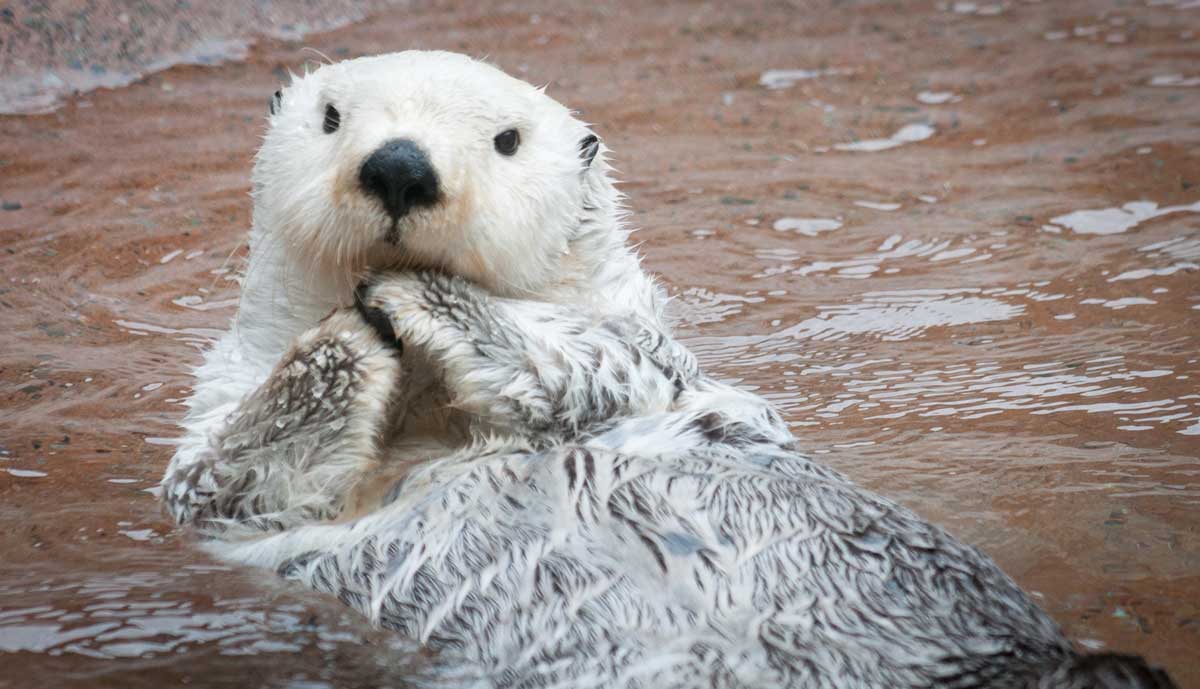
SEA OTTER HOMER, BELIEVED TO BE THE LAST REMAINING EXXON VALDEZ OIL SPILL SURVIVOR OF HER SPECIES, HUMANELY EUTHANIZED AT POINT DEFIANCE ZOO & AQUARIUM
Homer’s lasting legacy is as a “teacher” about conservation issues
TACOMA, Wash. – Veterinarians at Point Defiance Zoo & Aquarium humanely euthanized Homer, a 25-year-old Northern sea otter, this morning after an exam showed severe wasting and other serious medical issues.
Homer was believed to be the last sea otter survivor of the 1989 Exxon Valdez oil spill. She was named for the city in Alaska near where she was found and came to Tacoma shortly after the spill as one of about three dozen rescued sea otters placed in zoos and aquariums.
During the last several days, she showed little interest in food and ate only a quarter of the 8-to-9 pounds of seafood a day needed to maintain the high metabolism of a sea otter.
“She was very thin and showed a lack of body condition and muscle tone,” Point Defiance Zoo & Aquarium head veterinarian Karen Wolf said.
Sea otters eat several times daily to sustain the extreme energy levels their lives in ocean waters require. This morning, Homer weighed just 39 pounds, well off a female sea otter’s weight of more than 50.
Homer also had blood in her urine and elevated blood glucose levels, Wolf said.
During a necropsy this afternoon, veterinary staff took tissue samples to help pinpoint the causes of Homer’s ailments as well as to bank them for possible later research needs, Wolf said.
“It’s pretty monumental” that she’s the last Exxon Valdez oil spill survivor in U.S. zoos and aquariums, Wolf said. “She was an amazing animal. She taught a lot of people about conservation.”
Until last fall, there were two sea otter survivors of the spill in North America. Kenai, 23, was humanely euthanized at Shedd Aquarium in Chicago due to deteriorating health brought on by her advanced age, Shedd officials said at the time.
Sea otters’ lifespan is 15 to 25 years, and Homer, believed to have been born in 1988, was beyond that, said Lisa Triggs, a senior staff biologist who cared for and worked with Homer in the zoo’s Rocky Shores area for 17 years.
“She was the best otter ever,” Triggs said. Homer reliably moved to her station for feedings five times a day and easily participated in her care, Triggs said. “She was very laid back. A sweetheart.”
Point Defiance Zoo & Aquarium deputy director John Houck praised veterinary and zoological staff for their attention to Homer during her 24 years at the zoo.
“You provided compassionate, professional care for this animal,” he told them.
Staff biologists feed the zoo’s otters five times daily to meet their high metabolic demands in addition to providing other care and ensuring that they get “toys” or enrichments to keep them physically and mentally stimulated.
“We know Homer was the last surviving Exxon Valdez sea otter in North American zoos and aquariums,” said Houck, who went to Alaska to help with marine mammal rescue in the days following the spill. “It’s highly likely that she was the last sea otter on the planet to have survived that spill.”
Thousands of sea otters perished immediately as a result of the 11-million gallon spill in Alaska’s Prince William Sound. More died in the days, weeks and , months following the disaster.
Heavily oiled otters like Homer ingested quite a bit of petroleum, Houck said.
“They pumped a slurry of charcoal into those otters to try and neutralize the oil. It was a heroic effort, and it paid off in saving many otters’ lives.”
Homer’s long life at Pont Defiance Zoo & Aquarium was a testament to that rescue effort, Houck said.
In addition, she was an invaluable “teacher” on conservation issues and the effects of pollution on wildlife.
“The entire Point Defiance Zoo & Aquarium family is saddened by the passing of Homer,” Houck said. “She was much loved at the zoo and in the Tacoma community. But her loss won’t just be felt here, it will be noted around the world.”