Visiting Artisan Program Returns to Fort Nisqually
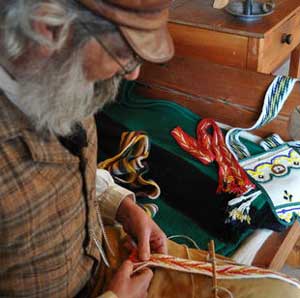
Guests of Fort Nisqually Living History Museum get a close encounter with the creativity of daily life in the 1800s during the popular Crafts of the Past program.
Each weekend through September 28 a different artist is “in-residence” at the Fort, demonstrating and displaying their work. Most will also offer guests the opportunity to try the craft themselves. Featured crafts include Native American basketry, metal engraving, millinery, botanical illustration, broom making, and blacksmithing.
For the complete schedule, visit www.FortNisually.org.
“Many of the things people needed for daily life in the 1800s — from what they wore to the tools they used — were produced by crafts people whose work was both functional and beautiful,” said Fort Nisqually’s site manager Mike McGuire. “This is a chance to see artists in action and learn directly from them.”
Crafts of the Past is sponsored by the Fort Nisqually Foundation and made possible by grants from the Nisqually Indian Tribe and Tacoma Arts Commission. It is free with paid admission.
Artisans for June:
June 7 and 8
Native American beadwork
Chuck Larsen, PhD is a Metis/Ojibwa/Iroquois historian, artist, and educator. He learned his bead craft in western Ontario, Manitoba and Saskatchewan from relatives and friends. Chuck specializes in the beading methods of the Great Lakes, Eastern Woodlands, and plains Metis people. Visitors can try their hand beading with free, pre-made kits.
June 14 and 15
Broom making
John Simurdak
Working on equipment that dates to the 1800s, John will be making Shaker-style brooms from broomcorn. The Shaker community in upstate New York is credited with changing the shape of brooms in the 1830s. Previously always round, the Shakers pressed and sewed the brooms flat. John spent several years traveling and learning his craft from master broom makers in Arkansas and Alabama.
June 22 (Sunday only)
Collecting and mounting botanical specimens
John Chau and Valerie Soza
John and Valerie will be demonstrating the science and craft of collecting and preserving botanical specimens -- work that Fort Nisqually’s William Tolmie undertook during the 1830s in the Pacific Northwest.
June 28 and 29
Fingerweaving
Darryl Hall learned how to fingerweave by researching the library at Fort Nisqually and getting help from fort volunteers. Fingerweaving is a Native American art form. French Voyageurs – the fur traders in the northern US and southern Canada – adapted the craft.